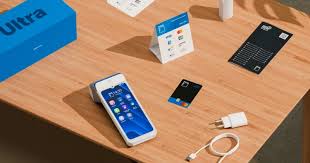

In today’s fast-paced retail and service environment, a payment terminal has become an essential tool for businesses. It allows merchants to accept various payment methods quickly and securely, enhancing the customer payment terminal experience and improving operational efficiency. Whether for small shops or large enterprises, having a reliable payment terminal ensures seamless financial transactions.
What Is a Payment Terminal?
A payment terminal is an electronic device used to process card payments at a point of sale. It connects to payment networks to authorize, process, and complete transactions securely. Payment terminals can handle credit and debit cards, contactless payments, and digital wallets, making them versatile for modern payment needs.
Types of Payment Terminals
Businesses can choose from different types of payment terminals based on their requirements:
Countertop Payment Terminals
These are traditional devices placed at the checkout counter. They offer stability and reliable connectivity, ideal for stores with fixed points of sale.
Mobile Payment Terminals
Mobile terminals connect via Wi-Fi or Bluetooth to smartphones or tablets, allowing businesses to accept payments anywhere in the store or even off-site.
Wireless or Portable Payment Terminals
Portable devices provide flexibility for businesses like restaurants or delivery services. They can be carried to customers, enabling on-the-spot payments.
Integrated POS Terminals
These terminals are integrated with a full point-of-sale system, including inventory management, sales tracking, and customer data analytics.
Key Features of a Payment Terminal
When selecting a payment terminal, consider the following features:
- Multiple Payment Methods: Supports credit/debit cards, contactless payments, and digital wallets.
- Security: EMV chip compatibility and PCI compliance ensure safe transactions.
- Connectivity: Options include wired, Wi-Fi, Bluetooth, or 4G networks for flexibility.
- Ease of Use: User-friendly interface for staff and fast processing speeds.
- Reporting Capabilities: Generate detailed sales and transaction reports for business insights.
Benefits of Using a Payment Terminal
Implementing a payment terminal provides numerous advantages for businesses:
- Faster Transactions: Reduces checkout time and improves customer satisfaction.
- Enhanced Security: Protects against fraud with encryption and secure authentication.
- Versatility: Accept multiple payment methods, including contactless and mobile payments.
- Operational Efficiency: Simplifies accounting and transaction management.
- Customer Convenience: Provides a seamless and professional payment experience.
Installation and Setup
Payment terminals can be easily set up by connecting to the merchant account and network. Countertop devices require a stable power source and wired or wireless connectivity, while mobile or portable terminals need compatible smartphones or tablets and secure apps. Most providers offer professional installation and technical support to ensure smooth operation.
Trends in Payment Terminals in 2026
The payment terminal industry is rapidly evolving to meet modern business needs:
- Contactless Payments: Increasing adoption of NFC and mobile wallets for fast, hygienic transactions.
- AI Integration: AI-powered analytics for insights on consumer behavior and sales trends.
- Cloud-Based Solutions: Terminals connected to cloud platforms for real-time reporting and remote management.
- Eco-Friendly Designs: Energy-efficient and compact devices for sustainability-conscious businesses.
FAQs
1. Can a payment terminal accept mobile wallet payments?
Yes, most modern payment terminals support Apple Pay, Google Pay, and other contactless mobile wallet payments.
2. What is the difference between a mobile and a countertop payment terminal?
Mobile terminals are portable and connect via Wi-Fi or Bluetooth, while countertop terminals are fixed devices that connect via wired or wireless networks.
3. Are payment terminals secure for transactions?
Yes, payment terminals use EMV chips, PCI compliance, and encryption to ensure safe and secure transactions.
Conclusion A payment terminal is an essential tool for modern businesses, offering fast, secure, and versatile transaction processing. By accepting multiple payment methods, enhancing security, and improving operational efficiency, payment terminals streamline the payment experience for both merchants and customers. Investing in a reliable payment terminal ensures smooth daily operations, boosts customer satisfaction, and supports the growth of any business in today’s competitive market.