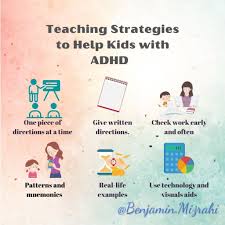

Supporting a child with ADHD requires a combined effort from parents, teachers, and caregivers. ADHD affects both academic performance and daily routines, making it essential to provide consistent support across different environments.
Understanding ADHD Challenges
Children with ADHD often face:
- Difficulty focusing
- Trouble completing tasks
- Impulsive behavior
- Hyperactivity
These challenges can affect both school performance and daily activities.
Supporting ADHD in School
Create Structured Learning Environments
Teachers can help by:
- Providing clear instructions
- Breaking tasks into smaller steps
- Using visual aids
Structure improves focus and understanding.
Offer Extra Time and Support
Children with ADHD may need:
- Additional time for assignments
- One-on-one guidance
- Frequent check-ins
These adjustments help them stay on track.
Use Positive Reinforcement
Encouragement motivates better behavior and performance.
Allow Movement Breaks
Short breaks help reduce restlessness and improve concentration.
Supporting ADHD at Home
Establish Routines
Consistency helps children manage their time effectively.
Set Clear Expectations
Simple and direct instructions improve compliance.
Use Tools and Reminders
Checklists, timers, and planners help children stay organized.
Social and Emotional Support
Children with ADHD may struggle socially. Parents and teachers can help by:
- Teaching social skills
- Encouraging teamwork
- Promoting positive interactions
Emotional support is just as important as academic help.
Building Independence
Helping children with ADHD become independent is essential.
- Teach problem-solving skills
- Encourage responsibility
- Allow them to make decisions
Independence builds confidence and resilience.
Collaboration Is Key
Consistent communication between parents and teachers ensures that strategies are aligned. This collaboration helps identify challenges early and adjust support accordingly.
Final Thoughts
Supporting a child with ADHD in school and daily life requires patience, structure, and teamwork. With the right strategies, children can overcome challenges and succeed academically and socially. ADHD does not define a child’s abilities—it simply means they may need a different approach to learning and growth.