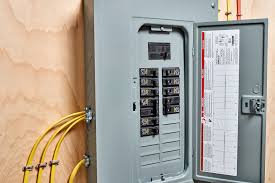

Your home’s electrical panel is the heart of your entire electrical system. It controls how electricity is distributed safely to every room, appliance, and device. Yet, most homeowners rarely think about it until something starts going wrong—like breakers tripping too often, lights flickering, or appliances not working properly. In many cases, these warning signs are your home’s way of telling you that the panel is no longer keeping up with your electrical demand.
Knowing when to upgrade your electrical panel is important not just for convenience, but for safety as well. An outdated or overloaded panel can increase the risk of electrical fires, damage your appliances, and create constant power issues. Whether you live in an older home or you’re planning new renovations, understanding the signs can help you make the right decision at the right time.
1. Frequent Circuit Breaker Trips
One of the most common signs that your electrical panel needs an upgrade is frequent breaker trips. Circuit breakers are designed to shut off power when a circuit is overloaded, preventing overheating and potential hazards. However, if this happens regularly, it usually means your panel can no longer handle your household’s electricity usage.
Modern homes use far more electricity than older homes were originally designed for. Between air conditioners, kitchen appliances, entertainment systems, and charging devices, the demand adds up quickly. If you find yourself constantly resetting breakers, it’s not just an inconvenience—it’s a warning sign that your panel is under stress.
Ignoring this issue can lead to long-term damage and safety risks. A professional inspection can determine whether your panel simply needs adjustments or a full upgrade to support your current lifestyle.
2. Flickering or Dimming Lights
If your lights flicker or dim when you turn on appliances like a microwave, vacuum cleaner, or washing machine, it may indicate that your electrical system is struggling to distribute power evenly. This often happens when the panel is outdated or overloaded.
While a single flicker might not be alarming, consistent dimming across multiple rooms is a clear indicator of an underlying electrical issue. In many cases, it means the panel cannot handle simultaneous power demands.
This issue should not be ignored, especially if it becomes more frequent over time. It can indicate deeper wiring problems or an aging panel that is no longer efficient. An experienced electrician can evaluate whether your home needs a repair or a full electrical panel replacement.
3. Your Electrical Panel Is Old or Outdated
Age plays a major role in electrical safety. If your home still has a panel that is more than 25–30 years old, it may not meet modern electrical standards. Older panels were not designed to handle today’s high-powered appliances and technology-driven households.
Some outdated panels may even use fuse systems instead of circuit breakers, which are far less safe and convenient. In some cases, older panels can become fire hazards due to wear, corrosion, or outdated design flaws.
Upgrading your panel ensures your home meets current electrical codes and safety standards. It also gives you peace of mind knowing your system is capable of handling modern energy needs without unnecessary risks.
4. Home Renovations or New Appliances
If you’re planning a home renovation or adding major appliances, your current electrical panel may not be enough. Kitchen upgrades, HVAC systems, electric water heaters, or even home office setups can significantly increase power demand.
Many homeowners don’t realize that adding just a few high-energy appliances can push an older panel beyond its limits. This can lead to inconsistent power distribution and frequent electrical issues.
Before starting any major renovation, it’s always wise to have your electrical system evaluated. In many cases, upgrading the panel beforehand prevents future problems and ensures everything runs smoothly once new installations are complete.
If you are unsure about your current system, consulting a qualified residential electrician can help you understand whether your home is ready for expansion or needs an upgrade first.
5. Burning Smell, Strange Noises, or Heat From the Panel
Any unusual smell, buzzing sound, or heat coming from your electrical panel should be taken seriously. These are not normal signs and often indicate dangerous electrical issues such as overheating, loose wiring, or internal damage.
A burning smell near the panel is particularly concerning, as it may signal that wires are melting or components are failing. Similarly, buzzing or crackling sounds can point to electrical arcing, which increases the risk of fire.
If you notice any of these warning signs, it is important to act quickly and avoid using high-power appliances until the issue is inspected. Electrical safety should never be delayed when these symptoms appear.
6. Safety, Efficiency, and Code Compliance
Modern electrical panels are designed not only for better performance but also for improved safety and energy efficiency. Upgrading your panel helps ensure your home is compliant with current electrical codes, which is especially important if you plan to sell your property in the future.
Newer panels provide better load management, reducing the risk of overload and improving the overall stability of your electrical system. This means fewer outages, more consistent power delivery, and greater protection for your appliances.
A professional inspection can determine whether an upgrade is necessary or if minor repairs are sufficient. Working with an experienced electrician ensures that all upgrades are done safely and correctly.
When it comes to reliable electrical services, choosing an experienced provider like Great North Electrician can make a significant difference in both safety and long-term performance.
Upgrading your electrical panel is not something to delay when warning signs start appearing. Frequent breaker trips, flickering lights, outdated systems, and unusual panel behavior all point to the need for professional evaluation. As homes continue to use more electricity than ever before, having a modern and efficient electrical panel is essential.
Whether you are upgrading for safety, convenience, or future expansion, the right decision can protect your home and give you peace of mind. A qualified electrician can assess your current setup and recommend the best solution to keep your system running safely and efficiently for years to come.