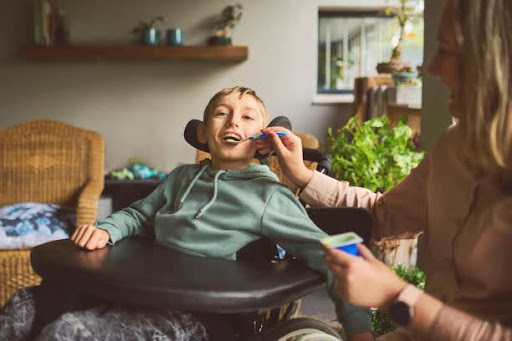

Receiving a cerebral palsy (CP) diagnosis for a child can be an emotional and overwhelming experience for families. It is natural to feel uncertainty, fear, and even grief when learning about the challenges ahead. However, gaining a clear understanding of the condition, available therapies, and support systems can empower families to take proactive steps and advocate for their child. Knowledge is critical in ensuring children with cerebral palsy receive the care and resources they need to thrive.
Understanding Cerebral Palsy
Cerebral palsy is a group of neurological disorders that affect movement, muscle tone, and posture. It is caused by damage to the developing brain, often before, during, or shortly after birth. Families should know that CP varies greatly in severity and presentation. Some children experience mild motor difficulties, while others may face significant challenges with mobility, communication, or daily living activities.
Recognizing that cerebral palsy presents differently in each child is essential. Early evaluation by healthcare professionals can help determine the type and severity, allowing families to plan therapies and support tailored to their child’s unique needs.
Common Symptoms to Watch For
Understanding the typical signs of cerebral palsy can help families better navigate the early stages following a diagnosis. Common symptoms include:
- Delayed motor milestones, such as sitting, crawling, or walking.
- Muscle stiffness or floppiness, which can affect posture and movement.
- Challenges with coordination and balance.
- Difficulty with fine motor skills, such as grasping objects or writing.
- Speech and communication difficulties.
Early identification of these symptoms allows for timely intervention, which can improve physical development and overall quality of life for children with cerebral palsy.
Importance of Early Intervention
Early intervention is critical in managing cerebral palsy. Research shows that therapies initiated at a young age are more effective in promoting motor skills, independence, and functional abilities. Physical therapy can enhance strength, balance, and mobility, while occupational therapy focuses on everyday activities like dressing, feeding, and writing. Speech therapy addresses communication and swallowing difficulties.
Families should understand that early and consistent intervention can prevent secondary complications, such as joint contractures or postural issues. Proactive therapy gives children with cerebral palsy a stronger foundation for learning, social participation, and daily independence.
Medical Management and Ongoing Therapies
Medical management is another important aspect for families to consider after a cerebral palsy diagnosis. Treatments may include medications to manage spasticity, seizures, or pain. In some cases, surgical interventions such as orthopedic procedures or selective dorsal rhizotomy may be recommended to improve mobility or reduce discomfort.
Therapy is usually an ongoing process, adapted over time to meet a child’s changing needs. Families should work closely with healthcare providers to develop individualized care plans that address the specific challenges associated with their child’s cerebral palsy. Regular follow-ups ensure therapies remain effective and responsive to growth and development.
Assistive Technology and Adaptive Equipment
Adaptive equipment and assistive technology can significantly enhance independence for children with cerebral palsy. Mobility aids such as wheelchairs, walkers, or braces help with movement, while specialized seating, utensils, and communication devices make daily tasks more manageable.
Families should explore options with therapists and equipment specialists to ensure their child has the tools necessary to participate fully in school, recreation, and daily life. Properly selected equipment can reduce physical strain, improve confidence, and support long-term independence.
Emotional and Social Support
Receiving a cerebral palsy diagnosis can be stressful for families, and emotional support is crucial. Counseling, peer support groups, and community organizations provide guidance, reassurance, and practical strategies for managing daily life.
Support networks also offer opportunities to connect with other families facing similar challenges. Sharing experiences and solutions can help families feel less isolated and more empowered to advocate for their child’s needs.
Educational Planning and Advocacy
Education is a key area where families can make a significant impact for children with cerebral palsy. Individualized Education Plans (IEPs) provide tailored support, including classroom accommodations, specialized instruction, or access to therapy during school hours.
Families should actively participate in developing and reviewing IEPs to ensure their child’s educational needs are met. Collaboration with teachers, therapists, and school administrators helps children with cerebral palsy maximize learning opportunities, develop skills, and participate fully in school activities.
Looking Ahead
A cerebral palsy diagnosis is just the beginning of a journey that requires planning, support, and ongoing care. While challenges exist, children with CP can grow to lead fulfilling, active lives with the right interventions, therapies, and support systems. Families should focus on creating a nurturing environment, connecting with professionals, and advocating for resources that promote independence and development.
Conclusion
When learning about a cerebral palsy diagnosis, families should prioritize understanding the condition, recognizing early symptoms, and accessing timely interventions. Knowledge about therapies, assistive devices, educational support, and community resources empowers families to make informed decisions and advocate effectively.
With the right support, children with cerebral palsy can develop physical, cognitive, and social skills, build confidence, and participate actively in school and community life. Families who stay informed, seek guidance, and engage with support networks create opportunities for their child to thrive and reach their full potential.