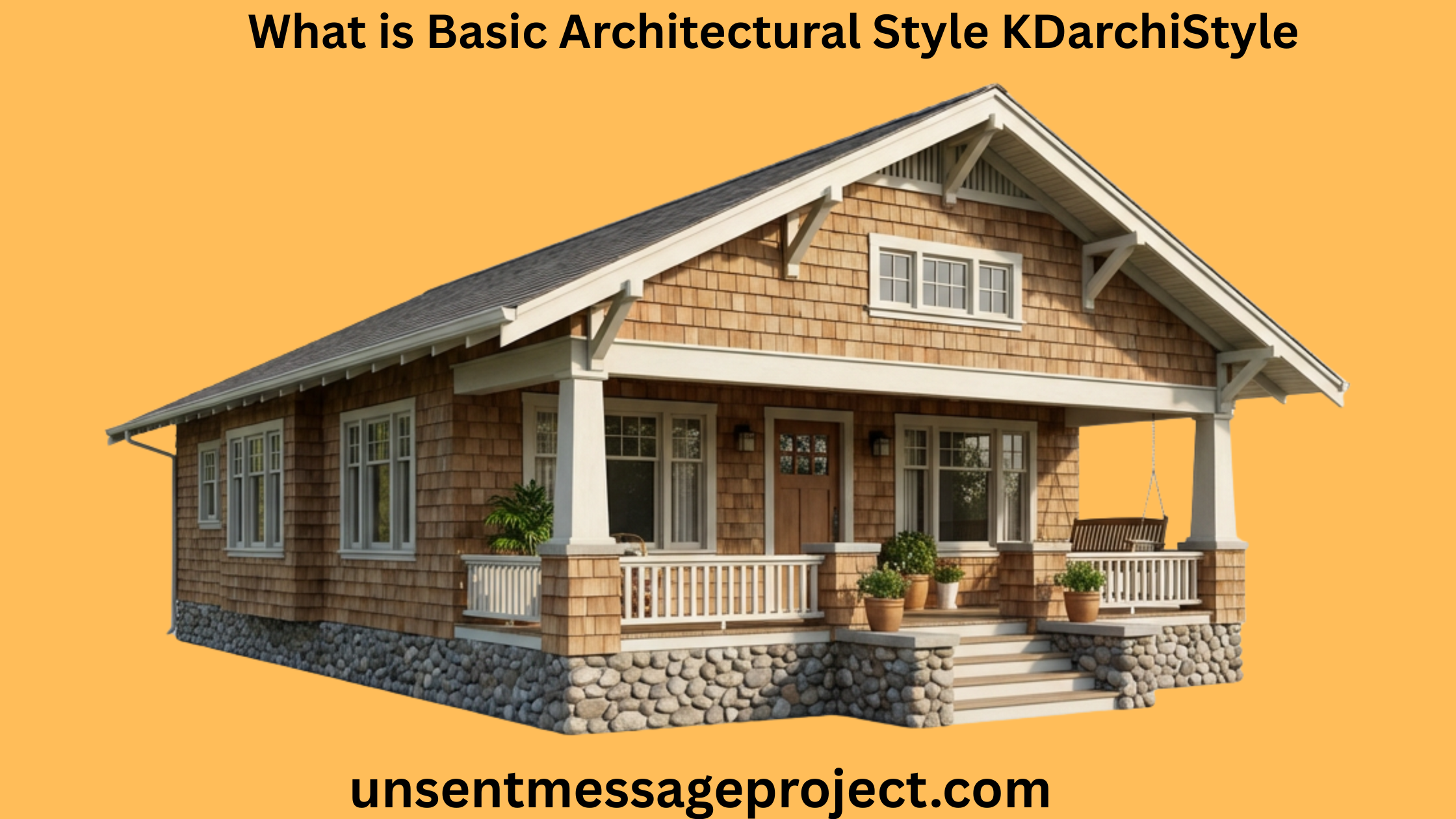

What is Basic Architectural Style KDarchiStyle?
Architecture is an art form that defines how we interact with the spaces around us. Over centuries, numerous architectural styles have emerged, each influenced by culture, technology, and design philosophies. One such style that has recently gained traction is KDarchiStyle. This unique approach to architecture focuses on simplicity, functionality, and a deep connection between the structure and its environment. Let’s delve into what makes KDarchiStyle stand out and how it has shaped modern architecture.
Understanding KDarchiStyle
KDarchiStyle, often referred to as Basic Architectural Style, is a design approach that prioritizes clean lines, geometric shapes, and minimalistic elements. It is grounded in the principle that “less is more.” The style avoids overly ornate decorations and instead focuses on the beauty of the form itself, celebrating materials and their natural aesthetics.
At its core, KDarchiStyle revolves around functionality, efficiency, and sustainability. It encourages architects and designers to use materials that not only look good but also serve a purpose in the overall structure. The design is inherently flexible, allowing for creative expressions within a structured framework.
The Origins of KDarchiStyle
Like most architectural movements, KDarchiStyle didn’t emerge overnight. Its roots can be traced back to the Modernist movement, which began in the early 20th century. Modernism focused on rejecting historical styles and embraced new technologies and materials. This was a time when architects were looking for new ways to solve the problems of space, function, and form.
KDarchiStyle draws heavily from the principles of Modernism but adds a layer of refinement. While Modernism was often characterized by stark functionality, KDarchiStyle aims for a more harmonious blend of beauty and utility. It takes inspiration from other minimalist movements such as Bauhaus and Scandinavian design, merging them into a cohesive architectural language that’s both timeless and forward-thinking.
Key Characteristics of KDarchiStyle
KDarchiStyle is defined by several key characteristics that make it easily identifiable. These elements not only shape the overall aesthetic but also ensure that the space is functional, sustainable, and adaptable to modern needs.
1. Simplicity
The hallmark of KDarchiStyle is its simplicity. This doesn’t mean the design is devoid of character; rather, it celebrates the elegance of clean lines and unembellished surfaces. The simplicity allows the structure to speak for itself without relying on unnecessary decorations or intricate detailing.
2. Geometric Forms
Geometric shapes are at the heart of KDarchiStyle. Whether it’s squares, circles, or rectangles, these shapes are used in both structural elements and aesthetic designs. The clean, sharp edges of these forms contrast with more organic elements, such as the natural landscape or interior furnishings, creating a balance between rigidity and fluidity.
3. Natural Materials
Another defining feature of KDarchiStyle is the use of natural materials. This style places a strong emphasis on the raw beauty of wood, stone, concrete, and metal. These materials are often left in their natural state or minimally treated, allowing their textures and colors to contribute to the overall aesthetic.
Natural materials also align with the sustainable design principles of KDarchiStyle. Architects and designers aim to use resources that are locally sourced and have minimal environmental impact. This focus on sustainability is not only a reflection of the architectural movement but also a response to the growing concerns about environmental responsibility in construction.
4. Open Spaces and Functionality
KDarchiStyle is inherently functional. It prioritizes open floor plans that facilitate free movement and flexibility. Walls are often minimized, and spaces are designed to flow seamlessly into one another. This openness fosters a sense of freedom and connection between the interior and exterior of the building.
5. Neutral Color Palettes
The color scheme in KDarchiStyle is typically neutral and understated. Shades of white, gray, beige, and black dominate the palette, creating a serene and uncluttered environment. These colors allow the natural beauty of materials like wood, stone, and glass to take center stage, while also contributing to the calming atmosphere of the space.
6. Emphasis on Light
Light plays a crucial role in KDarchiStyle. Large windows, glass walls, and strategically placed skylights allow natural light to flood the interior. This creates a sense of openness and connection with the outdoors. The use of light is not only aesthetic but also functional, reducing the need for artificial lighting and enhancing the overall energy efficiency of the space.
The Role of KDarchiStyle in Modern Architecture
As the world becomes more urbanized, the demand for functional and aesthetically pleasing spaces grows. KDarchiStyle fits perfectly into this context. Its minimalist approach allows it to adapt to various environments, whether it’s a bustling city, a serene suburban neighborhood, or a remote countryside location.
1. Urban Living
In urban settings, where space is often limited, KDarchiStyle offers a solution that maximizes every inch of available area. The open floor plans, combined with an emphasis on natural light, create a sense of spaciousness even in smaller homes or apartments. The neutral color palette and clean lines also help make compact spaces feel more open and airy.
2. Sustainability in Design
With growing concerns about climate change and environmental sustainability, KDarchiStyle’s focus on using natural, locally sourced materials and minimizing waste aligns perfectly with contemporary eco-conscious design practices. Buildings designed in this style often incorporate energy-efficient technologies, like solar panels and rainwater harvesting systems, to further reduce their environmental footprint.
3. Adaptability and Flexibility
Another reason for the growing popularity of KDarchiStyle is its adaptability. The open layouts and simple, functional designs allow spaces to be easily reconfigured as needs change. This flexibility makes it ideal for a wide range of uses, from residential homes to commercial buildings and even cultural institutions like museums or galleries.
KDarchiStyle in Practice: Notable Examples
The beauty of KDarchiStyle lies not just in its theoretical principles but in its real-world applications. Many contemporary architects and designers have embraced this style, creating structures that exemplify its core values. Let’s look at a few notable examples:
1. The Glass House by Philip Johnson
One of the most iconic examples of KDarchiStyle is the Glass House by architect Philip Johnson. Located in New Canaan, Connecticut, this house is an embodiment of the minimalist aesthetic. The structure is made entirely of glass walls and steel framing, allowing the surrounding nature to become an integral part of the home’s design. The simplicity of the design and the use of natural materials make the Glass House a quintessential example of KDarchiStyle in practice.
2. Tadao Ando’s Church of the Light
The Church of the Light, designed by Japanese architect Tadao Ando, is another stunning example of KDarchiStyle. This structure is characterized by its use of raw concrete, simple geometric shapes, and the clever interplay of light and shadow. The minimalistic design and the church’s connection to its natural surroundings reflect the core principles of KDarchiStyle, creating a space that feels both serene and powerful.
3. The Barnes Foundation by Tod Williams Billie Tsien Architects
In the realm of public architecture, the Barnes Foundation in Philadelphia is a prime example of how KDarchiStyle can be used in cultural spaces. The design of the museum focuses on simplicity and functionality, with a restrained color palette and the use of natural materials like wood and stone. The building’s open, airy feel and emphasis on light make it an ideal setting for displaying art in a way that feels intimate and connected to nature.
How to Incorporate KDarchiStyle in Your Home
If you’re interested in incorporating KDarchiStyle into your own home or workspace, there are a few key steps you can take. Start by focusing on the essentials: simplify the design, use natural materials, and create an open, functional space. Here are some tips to help you get started:
1. Declutter and Simplify
The first step to creating a KDarchiStyle space is to declutter. Remove any unnecessary items and focus on keeping only the essentials. This will help create a clean, minimalist environment that promotes relaxation and clarity.
2. Use Natural Materials
Incorporating wood, stone, and metal into your space will give it a warm, organic feel. Opt for raw or lightly treated materials to maintain their natural textures and colors. This will add character to the space while staying true to the principles of KDarchiStyle.
3. Maximize Natural Light
Take advantage of natural light by using large windows, skylights, or glass doors. This will create a connection between the interior of your home and the outdoors, making the space feel more expansive and inviting.
4. Embrace Open Spaces
Remove any unnecessary walls or partitions to create a more open floor plan. This will allow for easier movement and greater flexibility in how you use your space. The goal is to create a layout that flows naturally and feels uncluttered.
Conclusion
So answer to What is Basic Architectural Style KDarchiStyle is that KDarchiStyle is more than just a design trend – it’s a philosophy that emphasizes simplicity, functionality, and a deep connection with nature. By focusing on clean lines, natural materials, and open spaces, KDarchiStyle creates environments that are not only aesthetically pleasing but also highly functional and adaptable. Whether you’re designing a home, an office, or a cultural institution, this architectural style offers a timeless approach that can be customized to fit a wide range of needs and preferences.