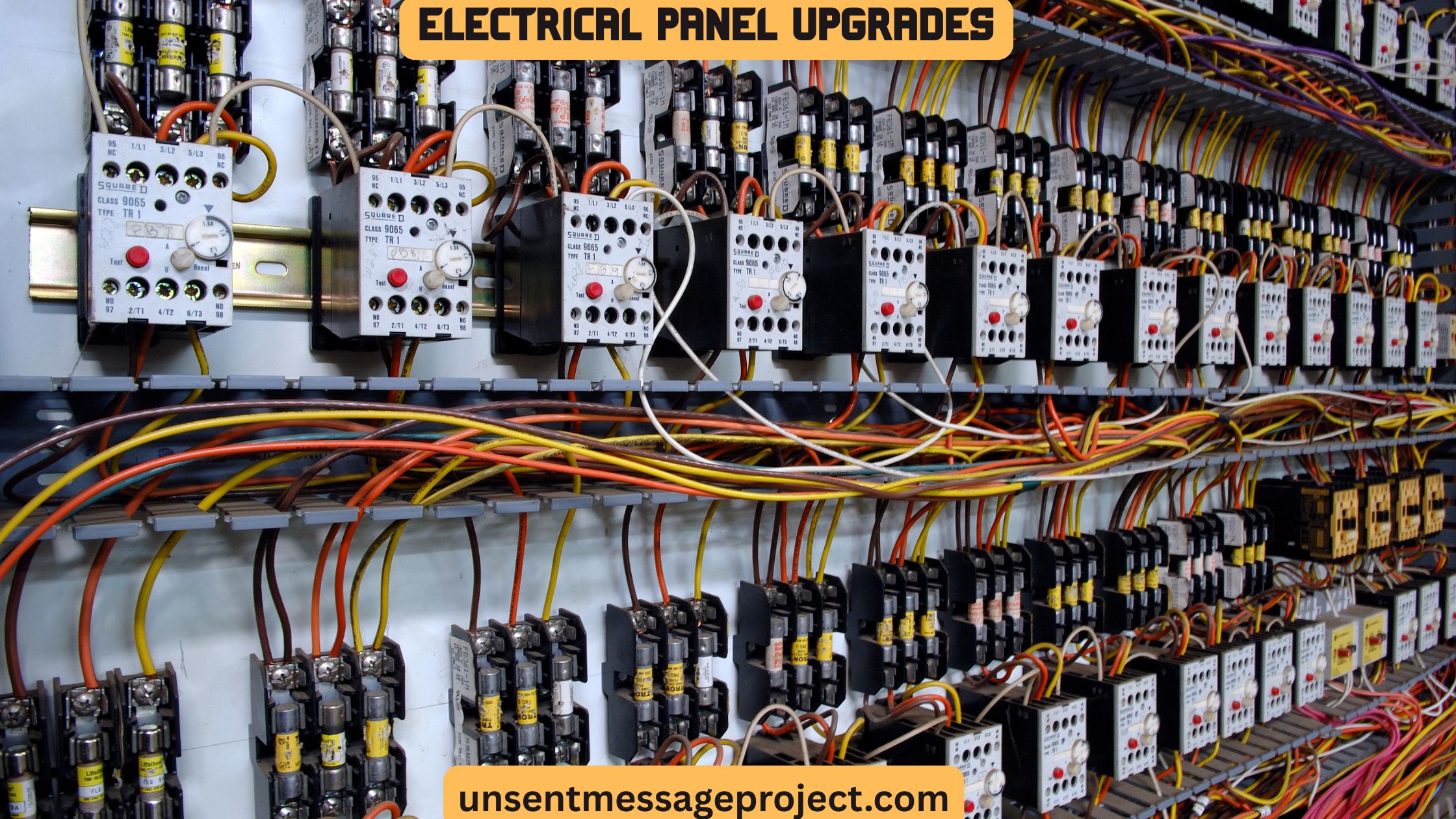

The electrical panel, often referred to as the breaker box, serves as the central hub of a home’s electrical system. It distributes power from the utility company to circuits throughout the home, protecting wiring and devices through circuit breakers or fuses. Over time, as technology advances and energy demands increase, older panels may become inadequate, posing safety risks and limiting functionality. Understanding when and why electrical panel upgrades are necessary is essential for homeowners seeking a safe, efficient, and reliable electrical system.
Electrical panel upgrades involve replacing or enhancing the existing panel to accommodate increased load, modern safety standards, and new appliances. These upgrades are not only about meeting current needs—they also prepare the home for future electrical demands, from high-powered kitchen appliances to smart home devices and electric vehicle chargers.
The Role of an Electrical Panel
The electrical panel manages the flow of electricity throughout a home. Circuit breakers inside the panel protect individual circuits by interrupting power when a fault or overload occurs. Properly functioning panels ensure that electricity reaches outlets, lighting, and appliances safely while preventing overheating, fires, and equipment damage.
Panels also allow homeowners to safely isolate circuits during maintenance or emergencies. As homes age and energy needs increase, panels installed decades ago may struggle to meet modern demands, making evaluation and potential upgrades critical.
Signs Your Panel May Need an Upgrade
Several indicators suggest that an electrical panel may require attention. Frequent tripping of breakers, flickering lights, and burning smells near the panel are common warning signs. Other indicators include outdated panels using fuses instead of breakers, insufficient circuit capacity, or a panel that has not been updated in decades.
Professional electricians conduct thorough inspections to assess the condition of the panel, identifying any hazards or limitations. Homeowners often consult Edison Electric, Inc. for evaluation and recommendations regarding upgrades, ensuring safety and compliance with modern codes.
Impact of Modern Electrical Demands
Modern households rely on a variety of energy-intensive appliances, from refrigerators and HVAC systems to home theaters, computers, and smart devices. Many homes were originally built with panels designed for lower electrical loads. This discrepancy can lead to overloaded circuits, tripped breakers, and reduced lifespan for both wiring and appliances.
Upgrading the electrical panel ensures that current and future demands are met efficiently. Properly sized panels reduce strain on circuits, improve energy distribution, and support advanced electrical systems, including renewable energy integration and home automation.
Safety Considerations
Safety is a primary reason to consider an electrical panel upgrade. Old or undersized panels increase the risk of overheating, electrical fires, and equipment damage. Professional evaluation ensures that wiring, breakers, and grounding systems meet modern safety standards.
Licensed electricians also verify that upgrades comply with local building codes, protecting both property and occupants. Panels equipped with modern safety features, such as surge protection, arc-fault circuit interrupters (AFCIs), and proper grounding, enhance overall home safety and reduce the risk of electrical hazards.
Upgrading for Technology and Smart Homes
Smart home technology and high-powered appliances often require additional circuits or dedicated lines. Electrical panel upgrades facilitate integration of modern devices, ensuring stable and reliable power delivery. Dedicated circuits prevent interference between devices and reduce the risk of tripped breakers or electrical faults.
Electricians coordinate upgrades with the installation of smart devices, security systems, and home automation networks, providing seamless operation and long-term reliability. Homes with upgraded panels are better prepared for evolving technology and energy demands.
When and Why Electrical Panel Upgrades Are Needed
Electrical panel upgrades become necessary when existing systems cannot safely handle the home’s electrical load. Indicators include frequent breaker trips, insufficient circuits for new appliances, outdated panels with limited capacity, or concerns identified during inspections. Upgrades may involve replacing the panel entirely or adding subpanels to expand capacity.
Professional evaluation by a residential electrician ensures that the panel is properly rated, wired correctly, and compliant with safety codes. Upgrades not only improve safety but also enhance energy efficiency, support modern technology, and increase the home’s overall value.
Conclusion
Electrical panel upgrades are a critical investment in the safety, efficiency, and functionality of a home’s electrical system. As energy demands increase and technology evolves, older panels may no longer provide adequate protection or capacity. Identifying the right time for an upgrade helps homeowners avoid hazards, reduce electrical faults, and maintain reliable power distribution.
Licensed services, including Edison Electric, Inc. and residential electrician, provide expertise in evaluating panels, performing upgrades, and ensuring compliance with modern codes. Their professional work ensures homes are equipped to handle current and future electrical needs safely and efficiently.