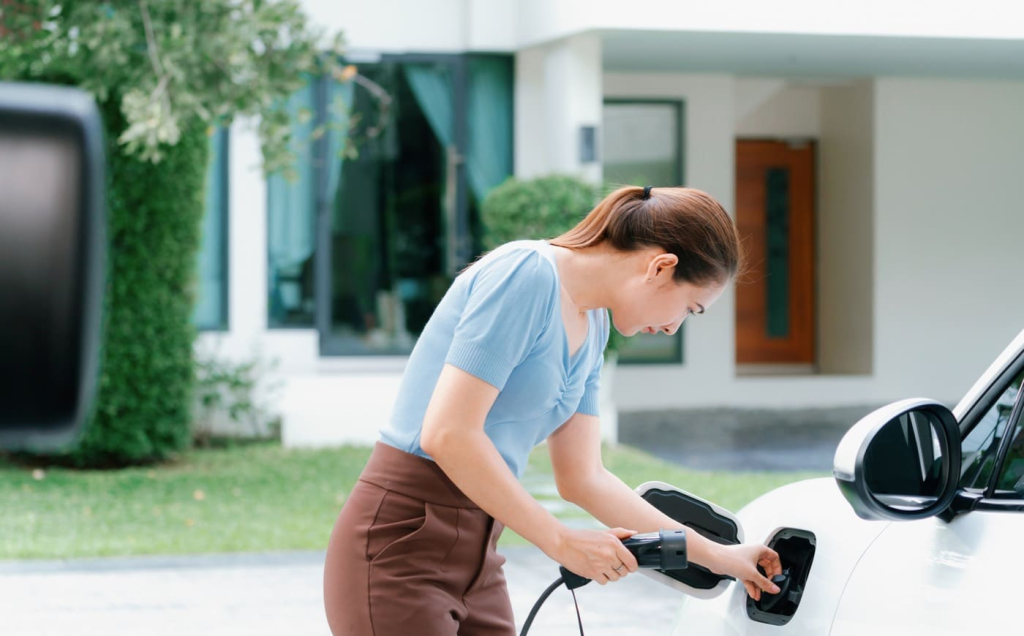
As summer temperatures soar, electric vehicle owners face unique challenges when it comes to charging and maintaining their cars. Understanding how heat affects EV batteries and adopting proper charging practices can significantly extend your battery’s life, improve safety, and optimize performance during the hottest months. This comprehensive guide covers everything you need to know about summer EV charging.
How High Temperatures Affect EV Batteries
Electric vehicle batteries operate most efficiently within a specific temperature range, typically between 20°C and 25°C (68°F to 77°F). When temperatures climb significantly above this range, several important changes occur:
Chemical Acceleration: High temperatures accelerate the chemical reactions within lithium-ion batteries. While this might temporarily improve performance, it also speeds up degradation processes that permanently reduce battery capacity over time.
Increased Internal Resistance: Heat causes increased internal resistance within battery cells, making the battery work harder to deliver the same power. This reduces efficiency and generates even more heat in a feedback loop that can be damaging if uncontrolled.
Electrolyte Breakdown: Prolonged exposure to extreme heat can cause the electrolyte solution within batteries to break down faster, reducing the battery’s ability to hold a charge.
Thermal Stress: Different components within the battery expand at different rates when heated, creating mechanical stress that can lead to microscopic damage over many heating cycles.
Modern EVs come equipped with sophisticated battery thermal management systems (BTMS) that actively cool batteries during charging and operation. These systems are your first line of defense against heat damage, but they work best when supported by smart charging habits.
Is It Safe to Charge an EV in Hot Weather?
Yes, it’s generally safe to charge an EV in hot weather, but with important precautions. EV charging systems include multiple safety features designed to handle temperature extremes:
- Temperature Monitoring: Your vehicle continuously monitors battery temperature and will automatically reduce charging speed or pause charging if temperatures approach unsafe levels.
- Automated Cooling Systems: Most EVs activate their cooling systems during charging to maintain optimal battery temperature, especially during DC fast charging.
- Battery Management Systems (BMS): These sophisticated computer systems constantly balance cell temperatures and voltages to prevent overheating.
However, safety depends significantly on your charging behavior and environmental conditions. Charging a battery that’s already hot from driving in direct sunlight presents different challenges than charging a cooled vehicle in a shaded garage. The safety systems work within designed parameters—exceeding those through poor practices can compromise their effectiveness.
Best Charging Times During Summer Months
Timing your charging sessions strategically can significantly reduce battery stress during summer:
Late Evening to Early Morning: The ideal charging window is typically between 9 PM and 6 AM when ambient temperatures are lowest. This reduces the workload on your vehicle’s cooling systems and minimizes thermal stress on the battery.
Avoid Peak Heat Hours: Try to avoid charging between 12 PM and 4 PM, when temperatures are typically highest and solar radiation is most intense.
Pre-Cool Before Charging: If you must charge during warmer hours, consider pre-cooling your vehicle while it’s still plugged in (using grid power rather than battery power) before initiating the charging session.
Consider Utility Rates: Many electricity providers offer lower rates during off-peak hours, which often coincide with cooler nighttime temperatures. This creates a win-win situation: you save money while practicing better battery care.
AC vs DC Charging in Hot Conditions
Understanding the difference between AC (Level 1 and 2) and DC (fast charging) is crucial for summer charging:
AC Charging (Level 1 & 2): These slower charging methods generate less heat and are generally safer for regular use in high temperatures. The slower energy transfer allows the thermal management system to more effectively regulate battery temperature. For daily summer charging, AC is typically the better choice when time permits.
DC Fast Charging: This method delivers energy much faster, generating significant heat in the process. While convenient for trips, DC fast charging in high temperatures creates the greatest thermal stress on batteries. If you must use DC fast charging in summer:
- Try to charge during cooler parts of the day
- Allow the battery to cool somewhat after driving before initiating a fast charge
- Consider charging to only 80% rather than 100% to reduce heat generation during the final charging phase
- Use fast charging stations with shade if available
Tips to Protect Your EV Battery While Charging in Summer
- Seek Shade: Always charge in shaded areas when possible. Direct sunlight can increase battery temperature by 20°F or more compared to shaded areas.
- Don’t Charge Immediately After Driving: Allow your battery to cool down for 30-60 minutes after a long drive or high-speed trip before plugging in, especially for DC fast charging.
- Maintain Moderate Charge Levels: In extreme heat, keep your battery between 20% and 80% charge rather than fully charging to 100%. Lithium-ion batteries experience less stress at moderate charge levels.
- Use Scheduled Charging: Most EVs allow you to schedule charging sessions. Set yours to complete just before you need the vehicle, avoiding prolonged periods at high charge levels in hot conditions.
- Precondition While Plugged In: Use your vehicle’s preconditioning feature (cooling the cabin) while still connected to the charger. This cools both the cabin and the battery using grid power rather than battery power.
- Ensure Proper Ventilation: When charging in a garage, ensure adequate ventilation, especially with older charging equipment that might generate additional heat.
- Monitor Charging Speed: If you notice your charging speed significantly dropping during a session, this may be the thermal management system protecting the battery. Consider unplugging and allowing more cooling time if this happens frequently.
Common Summer Charging Mistakes to Avoid
1. Charging to 100% in Extreme Heat: A fully charged battery experiences more stress in high temperatures. Save 100% charges for when you truly need maximum range.
2. Using Fast Chargers Exclusively: Relying solely on DC fast charging during summer accelerates battery degradation. Mix in regular AC charging whenever possible.
3. Ignoring Thermal Warnings: If your vehicle displays battery temperature warnings, take them seriously. Postpone charging or seek shade.
4. Blocking Cooling Vents: Ensure nothing blocks your vehicle’s cooling vents, typically located beneath the car or at the front grille.
5. Leaving Your EV at Low Charge in Heat: Extremely low charge levels combined with high temperatures can also stress batteries. Try to maintain at least a 20% charge during hot weather.
6. Assuming All Chargers Are Equal: Public chargers vary in how well they communicate with your vehicle’s thermal management system. When possible, choose newer charging stations from reputable networks.
7. Neglecting Tire Pressure: While not directly related to charging, proper tire pressure reduces rolling resistance, which means less battery work and less heat generation during driving.
Conclusion
Summer EV charging requires some additional consideration, but with proper practices, you can safely charge your vehicle while maximizing battery longevity. The key principles are simple: charge during cooler times, avoid extremes, and let technology help you. Your EV’s built-in thermal management systems are sophisticated, but they work best when supported by smart owner behavior.
By charging strategically during summer months—opting for nighttime AC charging when possible, avoiding fast charging in peak heat, and maintaining moderate charge levels—you’ll protect your battery investment while enjoying all the benefits of electric driving. Remember that occasional summer trips requiring different charging patterns won’t significantly harm your battery; it’s the consistent patterns over time that matter most.
As temperatures climb this summer, a little planning goes a long way toward keeping your EV performing optimally for years to come. Stay cool, charge smart, and enjoy the quiet, emission-free ride that makes electric vehicles so rewarding in every season.