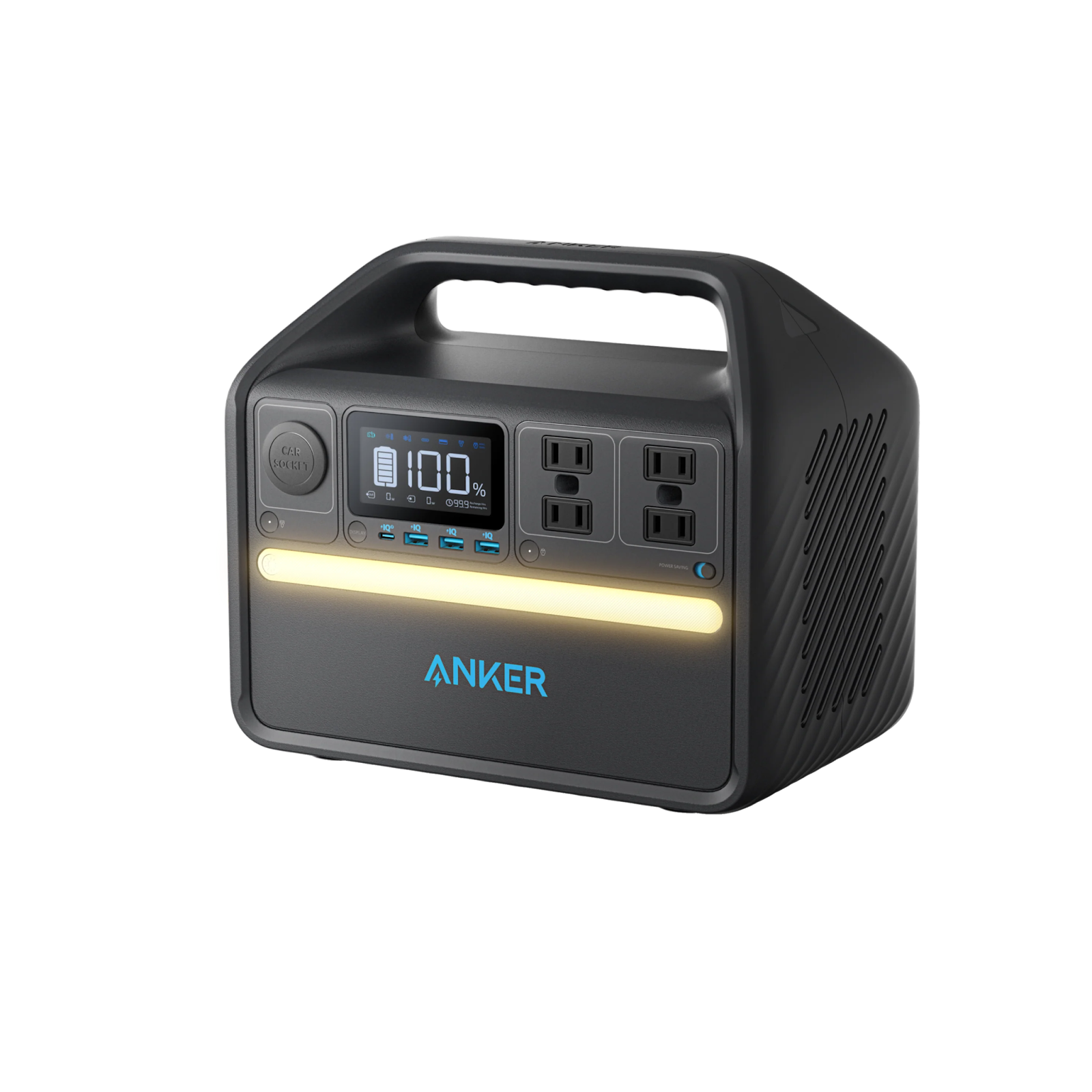

Remote work has evolved into a permanent way of life, and with that shift, dependable electricity has become just as critical as fast internet. A single outage can interrupt meetings, delay deadlines, and create unnecessary stress. In the middle of this new reality, the portable power station has emerged as a quiet but powerful ally for professionals working from home. What once seemed like equipment meant only for camping or emergencies is now a practical foundation for a reliable and resilient home office.
Why Reliable Electricity Matters More Than Ever
Home offices depend on multiple devices running simultaneously. Laptops, external monitors, Wi Fi routers, desk lighting, and ergonomic furniture all require steady power. Even brief interruptions can disconnect calls or damage unsaved work. Over time, inconsistent voltage can also shorten the lifespan of sensitive electronics.
A dedicated backup power source helps eliminate these risks. When power stability is no longer a concern, remote workers can focus entirely on their tasks instead of worrying about sudden shutdowns or lost productivity.
Understanding Portable Power Stations for Office Use
A portable power station is a rechargeable battery system that delivers clean electricity through standard outlets and USB ports. Unlike fuel based generators, it operates silently and produces no fumes, making it safe for indoor use. Power is stored in lithium batteries and converted through an inverter to support everyday electronics.
Charging options usually include wall outlets, vehicle sockets, and solar panels. This flexibility allows remote workers to maintain power access during outages, travel, or even outdoor work sessions without compromising safety or comfort.
Can a Portable Power Station Replace Traditional Office Power?
For many remote professionals, the answer is yes during short to moderate outages. While a power station does not replace the grid entirely, it bridges the gap when interruptions occur. Compared to uninterruptible power supplies that only last minutes, a power station can keep essential devices running for hours.
Fuel generators offer higher output but are impractical indoors due to noise and emissions. A power station finds the balance by providing extended runtime, quiet operation, and clean energy suitable for a professional home environment.
Designing a Home Office Around Backup Power
Incorporating a power station into a workspace requires minimal effort. It can be placed under a desk or beside a cabinet and connected to priority devices such as a laptop and router. Many models support pass-through charging, allowing them to stay plugged in while powering equipment.
This approach creates a seamless transition during outages. Video calls continue, files remain accessible, and productivity stays intact without any manual intervention.
Choosing the Right Capacity for Remote Work
The ideal capacity depends on how many devices you use and how long you need them powered. A basic setup with a laptop and router requires far less energy than a desktop workstation with multiple monitors.
Real world usage shows that a mid capacity unit can support essential office equipment for an entire workday if energy use is managed carefully. Understanding your typical power draw helps ensure you invest in a solution that meets your needs without unnecessary expense.
Everyday Benefits Beyond Emergencies
A power station is not only useful during blackouts. It allows flexible workspace arrangements without relying on wall outlets. It protects electronics from voltage fluctuations and reduces anxiety during storms or grid instability.
In daily use, this sense of preparedness improves focus and confidence. Knowing that power interruptions will not derail your schedule contributes to a calmer and more productive work routine.
Sustainability and Smarter Energy Use
Many remote workers aim to reduce their environmental footprint. Portable power stations support this goal by offering solar charging options. Even partial use of solar energy can lower reliance on the grid and reduce overall energy costs.
For home offices seeking practical sustainability, combining a power station with solar panels provides clean power without renovations or complex installations.
Is a Portable Power Station a Smart Investment for Remote Professionals?
The upfront cost can seem significant, but the long term value often outweighs it. Avoided downtime, protected equipment, and consistent workflow all contribute to financial and professional stability. Over years of use, the cost per hour of reliable power becomes minimal.
As remote work continues to expand, personal control over electricity is becoming a core component of a resilient home office strategy.
Conclusion
A productive home office depends on stability, flexibility, and peace of mind. Placing a power station at the center of your setup strengthens all three by delivering dependable and clean energy whenever it is needed. For remote professionals, students, and freelancers, this tool is no longer optional backup equipment but a long term investment in consistent performance and professional reliability.
FAQs
Can a portable power station run a full home office all day?
Many mid to high capacity models can power a laptop, monitor, and router for several hours or even a full workday, depending on energy efficiency and usage habits.
Is it safe to operate a power station indoors?
Yes, power stations are designed for indoor use because they produce no emissions, generate minimal heat, and operate silently.
How often should a power station be charged for office readiness?
Charging it weekly or after each use is recommended. Many users keep it plugged in using pass through charging so it is always ready.
Does a power station protect office electronics?
Most quality units include built in protections against overcharging, short circuits, and voltage instability, helping safeguard sensitive devices.
Who benefits most from using a power station at home?
Anyone who relies on uninterrupted power for work or study can benefit, especially freelancers, students, and full time remote professionals who cannot afford downtime.