
In many wastewater treatment plants, problems often start with something simple, water that is not moving the way it should. When circulation slows down, heavier solids begin to settle at the bottom of tanks. Over time, this buildup can reduce treatment efficiency, create uneven mixing, and place extra strain on equipment.
Continuous water movement is essential inside treatment tanks and channels. Proper circulation keeps sludge suspended, helps oxygen and nutrients distribute evenly, and supports the biological processes that break down waste. According to the United States Environmental Protection Agency, effective mixing and flow management are key factors in maintaining stable biological treatment systems.
However, large tanks often struggle with weak circulation zones. Areas with poor mixing, sometimes called “dead zones,” allow solids to collect and disrupt the treatment process.
To prevent this, many modern facilities rely on several pieces of equipment working together. Mixers, agitators, and flow accelerators are commonly used to maintain steady water movement throughout the system. Among these solutions, FlowBoosters play an important role in keeping large volumes of water circulating smoothly inside tanks and channels.
How FlowBoosters Help Maintain Circulation in Large Tanks
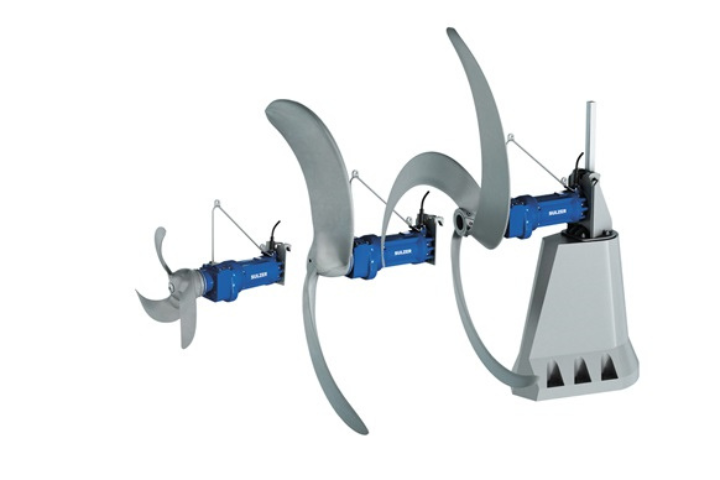
Large wastewater tanks require constant movement to keep solids suspended and treatment processes stable. This is where flow boosters play a key role. These devices are designed to move large volumes of water across long tanks, helping maintain steady circulation throughout the system. When water flows consistently, sludge stays suspended and biological treatment processes operate more efficiently.
Wastewater engineers often combine different types of circulation equipment to maintain balanced flow. According to guidance from the Water Environment Federation, proper mixing and hydraulic movement help prevent solids buildup and improve overall treatment performance.
Moving Large Volumes of Water
Flow boosters are specifically built to create strong horizontal movement across wide tanks and channels. Their main purpose is to maintain steady circulation rather than simply stir the water.
They help wastewater systems by:
- Creating consistent horizontal flow across long basins
- Preventing solids from settling at the bottom
- Maintaining uniform water movement inside large tanks
Unlike smaller mixers that focus on localized mixing, flow boosters move water across much larger distances. This wide circulation helps eliminate low-flow areas where sludge might otherwise collect.
Supporting the Work of Submersible Mixers
In many treatment plants, flow boosters are not used alone. They work together with mixers to maintain balanced circulation throughout the tank.
Flow boosters keep water moving across the entire basin, while mixers focus on smaller zones where solids must stay suspended. This combination helps maintain stable flow patterns and improves treatment consistency.
In many wastewater facilities, circulation equipment works alongside mixers such as a Sulzer submersible agitator to keep solids suspended and maintain stable flow conditions throughout the tank.
Signs That a FlowBooster Is Not Performing at Its Best
Flow boosters usually operate continuously for long periods, so performance issues may develop gradually. When circulation weakens, operators often notice small changes inside the tank before serious problems appear.
Recognizing these early warning signs helps prevent reduced treatment efficiency and costly maintenance issues.
Uneven Water Circulation
One of the first signs of poor performance is uneven water movement. When circulation becomes weak, some areas of the tank may slow down while others continue moving normally.
Common indicators include:
- Sections of the tank where water appears almost still
- Sludge starting to settle in corners or along walls
- Floating materials collecting in certain areas
These patterns often suggest that the flow booster is no longer maintaining the designed circulation pattern.
Higher Energy Use
When circulation equipment struggles to move water properly, the motor may need to work harder to maintain flow. Over time this can increase energy consumption.
Operators may notice:
- Gradual increases in electricity usage
- Motors running longer than expected
- Reduced circulation despite normal operating speeds
According to the International Water Association, inefficient mixing and circulation equipment can significantly increase operational energy costs in wastewater treatment facilities.
Increased Maintenance Needs
Frequent maintenance issues can also signal reduced performance.
Possible causes include:
- Debris collecting around the propeller
- Worn mechanical components
- Improper installation or positioning
If problems appear repeatedly, inspecting the circulation system early can prevent larger equipment failures.
Simple Maintenance Practices That Protect FlowBooster Performance
Routine maintenance plays a major role in keeping circulation equipment operating efficiently. Flow boosters are designed for continuous operation, but simple inspections can help operators detect problems before they affect tank performance.
Regular checks also reduce the risk of sudden equipment failure and extend the service life of the system.
Check the Propeller Regularly
The propeller is the main component responsible for pushing water through the tank. If it becomes damaged or obstructed, circulation can drop quickly.
Operators should regularly inspect the propeller for:
- Debris or fibrous material wrapped around the blades
- Cracks, bends, or chipped blade edges
- Signs of unusual wear on the propeller surface
Keeping the propeller clean and in good condition helps maintain strong water movement throughout the tank.
Monitor Motor and Electrical Performance
The motor powers the entire circulation system, so monitoring its condition is important for reliable operation.
Simple routine checks may include:
- Listening for unusual noises during operation
- Watching for signs of overheating
- Tracking sudden changes in power consumption
Maintenance teams often record these observations during scheduled inspections. Consistent monitoring allows small electrical issues to be identified before they cause equipment shutdowns.
Inspect Mounting and Alignment
Flow boosters must remain properly aligned to maintain the designed flow pattern inside the tank. Even small alignment changes can affect circulation.
Operators should inspect:
- Mounting brackets and support structures
- Anchor points and bolts
- Overall alignment with the intended water flow direction
If the unit becomes loose or shifts position, circulation may weaken and uneven flow patterns can develop across the tank.
Why Equipment Placement Matters in Large Tanks
Even well-maintained equipment may struggle if it is not positioned correctly. Flow patterns inside wastewater tanks depend heavily on where circulation devices are installed.
Engineers often analyze tank geometry and hydraulic behavior before deciding where to place flow boosters. Proper positioning ensures that water continues moving throughout the entire basin rather than slowing in certain areas.
Avoiding Dead Zones
Dead zones are areas where water movement becomes extremely weak. When these zones form, solids begin settling and treatment efficiency can decline.
Poor equipment placement may create:
- Corners where circulation does not reach
- Areas behind structural walls or baffles
- Sections where sludge gradually accumulates
Avoiding these low-flow zones helps maintain stable biological treatment conditions.
Supporting Long Tank Circulation
Many wastewater facilities use large tanks where water must travel long distances to maintain proper circulation.
Flow boosters are commonly installed in locations such as:
- Oxidation ditches
- Long aeration basins
- Large rectangular treatment tanks
Correct positioning allows water to move in a continuous loop across the basin.
In larger wastewater basins, operators often rely on circulation systems working together with a Sulzer submersible agitator to maintain steady movement and prevent solids from settling in low-flow areas.
Building a Routine Maintenance Plan
A simple maintenance routine helps keep circulation equipment working reliably over time. In busy wastewater plants, small issues can go unnoticed until they affect tank performance. Creating a clear inspection schedule helps operators catch problems early and maintain steady circulation.
A practical routine often includes:
- Scheduling regular inspections to check propellers, motors, and mounting systems
- Monitoring vibration and motor load, which may signal wear or imbalance
- Cleaning propellers when needed, especially if fibrous debris begins to collect
- Documenting maintenance activities to track patterns and equipment condition over time
Preventive maintenance offers several long-term benefits. It reduces unexpected downtime, extends the service life of equipment, and helps maintain consistent circulation inside large treatment tanks. According to guidance from the Water Environment Federation, structured maintenance programs improve equipment reliability and support stable wastewater treatment operations.
Conclusion
Reliable circulation is one of the most important factors in keeping wastewater treatment systems running efficiently. When water moves consistently across large tanks, solids remain suspended and biological treatment processes stay balanced.
Flow boosters help maintain this movement by pushing large volumes of water through long basins. However, their performance depends on proper installation, regular inspection, and routine maintenance.
Simple actions such as checking propellers, monitoring motor performance, and ensuring correct positioning can make a noticeable difference. Many facilities also combine flow boosters with mixers to maintain balanced mixing and stable solids suspension.
When operators stay proactive with monitoring and maintenance, wastewater systems tend to run more smoothly, energy use stays under control, and critical equipment lasts much longer.