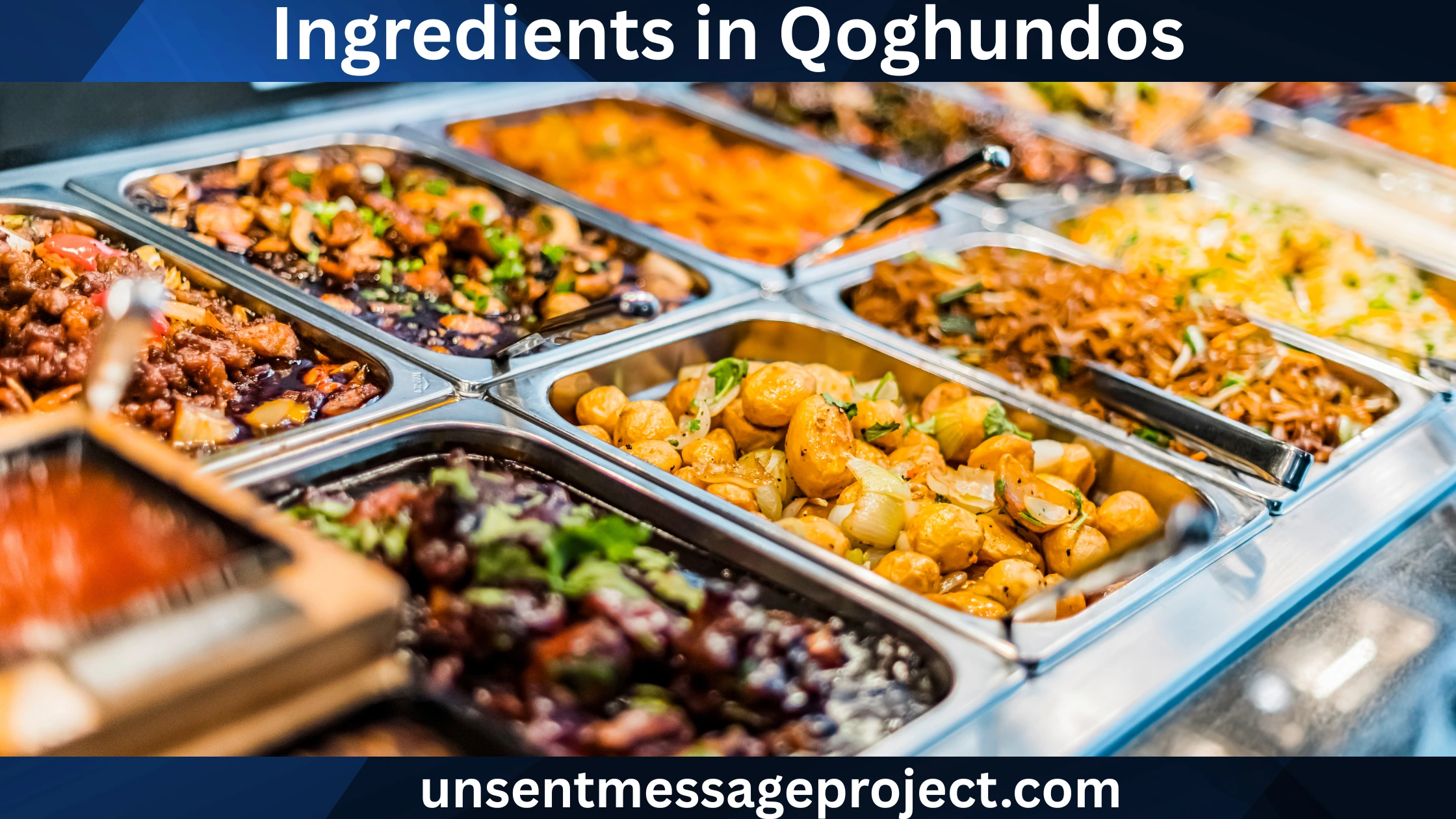

Qoghundos, a delightful treat from traditional Afghan and Central Asian cuisine, is beloved for its unique flavor profile and cultural significance. This dish is often served during festive occasions, celebrations, and special events, offering a glimpse into the rich culinary heritage of the region. The key to making Qoghundos lies in its carefully selected ingredients, each contributing to its distinct taste and texture. In this article, we will explore the essential ingredients in Qoghundos, their origins, how they interact to create a harmonious dish, and why each one plays a vital role in its overall composition.
A Brief Introduction to Qoghundos
Qoghundos, also known by various other names in different regions, is a traditional Afghan dessert that combines flavors from various local ingredients. This dish can be described as a blend of sweet and savory, often incorporating nuts, fruits, and rich spices. Whether served as a snack or a dessert, Qoghundos is a testament to the diversity of Central Asian culinary practices. The layers of flavors in Qoghundos come from a mixture of natural and locally sourced ingredients that have been passed down through generations.
While there is no single recipe for Qoghundos, the ingredients tend to be fairly consistent, which is part of what makes the dish so universally recognizable in Afghan cuisine. Key ingredients include flour, sugar, butter, nuts, and a variety of spices, each playing a critical role in shaping the dish.
The Role of Flour in Qoghundos
Flour is the foundational ingredient in many traditional dishes, and Qoghundos is no exception. The type of flour used in Qoghundos can vary, but traditionally, all-purpose flour is preferred for its ability to hold structure while allowing for a light texture. The flour in Qoghundos acts as the binding agent, holding together the other ingredients. It provides the base for the dough, which is rolled out and shaped into small balls or discs, before being cooked or fried.
The preparation of the flour is crucial in determining the final texture of the dish. For example, a higher gluten content flour will result in a chewier, denser product, while a softer flour will produce a more delicate, melt-in-your-mouth experience. Depending on the recipe, flour may also be toasted or lightly roasted before being mixed with the other ingredients, enhancing the nutty flavor of the final product.
Sugar: Sweetening the Deal
Sugar is another essential ingredient in Qoghundos, contributing to the dish’s signature sweetness. The amount of sugar used can vary based on personal preference and regional variations. In some versions of the dish, sugar is added directly to the flour mixture, while in others, it is used to create a syrup that is poured over the cooked dough.
The sugar in Qoghundos is balanced by the richness of other ingredients like butter and nuts, creating a sweet yet not overwhelmingly sugary flavor profile. In many traditional recipes, a sugar syrup may also be infused with cardamom or saffron, adding another layer of complexity to the dish’s flavor. Sugar not only sweetens the dish but also contributes to the textural qualities, particularly when combined with butter or ghee to form a smooth, rich dough.
The Role of Butter and Ghee in Qoghundos
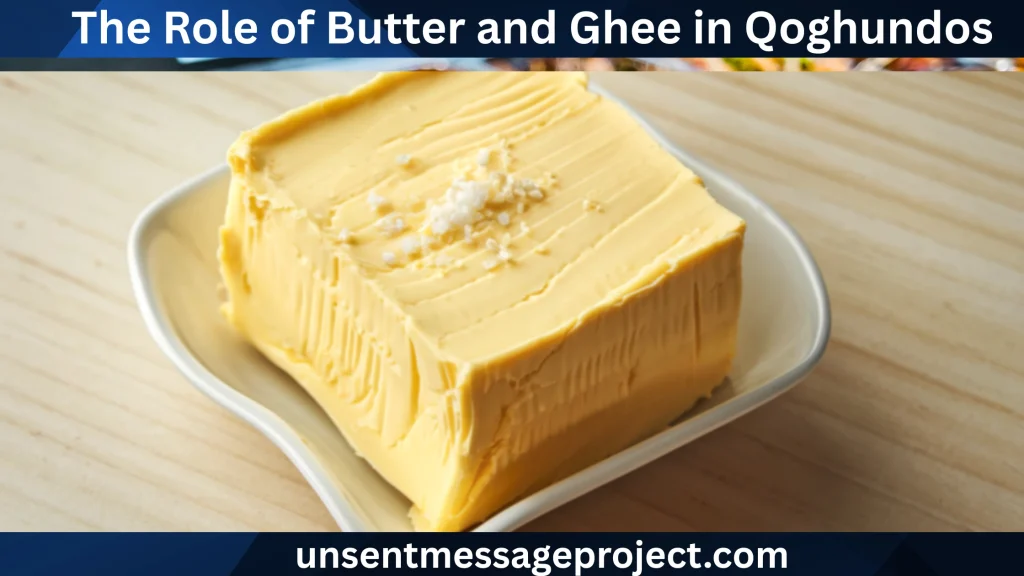
Butter and ghee are integral to many Central Asian dishes, and Qoghundos is no different. These ingredients contribute to the richness of the dish, providing a smooth texture and an indulgent mouthfeel. Ghee, a type of clarified butter, is often used for its intense flavor and richness, making it a favorite for many traditional Afghan dishes.
In Qoghundos, butter or ghee is typically mixed with the flour to create a dough. The fats help bind the flour together, while also contributing to the tenderness of the dough. When the Qoghundos is fried or baked, the butter or ghee helps create a golden, crisp exterior while maintaining a soft interior. Additionally, the aromatic properties of ghee infuse the dish with a warm, comforting fragrance that elevates the overall eating experience.
Nuts: Adding Texture and Flavor
Nuts are a prominent feature in Qoghundos, offering both texture and flavor. Traditionally, walnuts and pistachios are the most common nuts used, though almonds and cashews may also appear in certain regional variations. These nuts are typically chopped or ground and added to the dough or sprinkled on top as a garnish after the dish is cooked.
The inclusion of nuts in Qoghundos serves several purposes. Firstly, they add a crunchy contrast to the otherwise soft texture of the dough. Secondly, the nuts bring a natural richness and depth of flavor, with walnuts providing a slightly bitter edge and pistachios offering a delicate sweetness. In addition, nuts are packed with nutrients, including healthy fats, proteins, and fiber, which makes Qoghundos not only a delicious treat but also a nutrient-dense one.
Spices: The Heartbeat of Qoghundos
Spices are what truly give Qoghundos its signature flavor. The blend of spices used can vary, but key ingredients typically include cardamom, saffron, cinnamon, and sometimes nutmeg. Each of these spices contributes a unique aroma and flavor that infuses the dough and syrup.
Cardamom, for example, is a versatile spice with a complex flavor profile that is both sweet and slightly spicy. It is commonly used in Afghan desserts, offering a fragrant, almost citrus-like note that complements the richness of the butter and nuts. Saffron, often used in luxury dishes, imparts a golden color and a delicate floral flavor to the syrup, making it an essential ingredient in many variations of Qoghundos. Cinnamon and nutmeg add warmth and earthiness, balancing the sweetness of the sugar and providing a deep, aromatic backdrop.
Fruits and Dried Fruits: A Natural Sweetness
In addition to the primary ingredients, some versions of Qoghundos include dried fruits such as raisins, apricots, or dates. These fruits provide a natural sweetness that contrasts with the sugary syrup. The inclusion of dried fruits also adds a chewy texture, providing variety and complexity in each bite. Dried apricots, in particular, are known for their tangy flavor, which can offer a refreshing counterpoint to the richness of the other ingredients.
Fresh fruits, though less common, may also be used in certain regional versions of the dish. These fruits are often added as a garnish or mixed into the syrup to add an extra layer of sweetness and color. Their natural juices contribute moisture to the dish, helping balance out the richness of the butter and ghee.
The Influence of Regional Variations
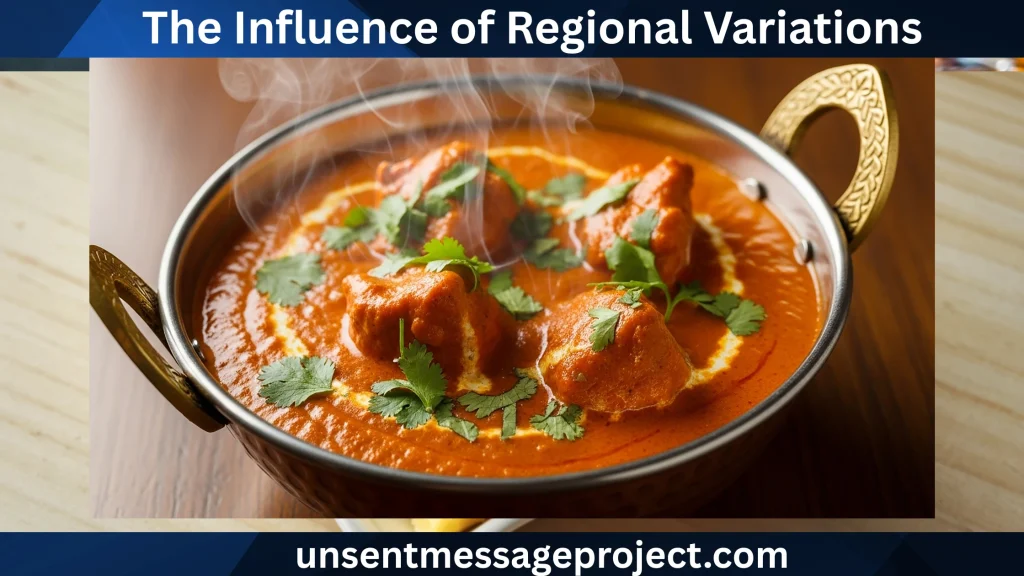
Qoghundos, while rooted in Afghan and Central Asian culinary traditions, has many regional variations. In some areas, the use of yogurt or milk in the dough is common, helping to create a more delicate texture. In other regions, honey might replace sugar, or rose water might be used in the syrup, imparting a floral sweetness.
The nuts used in Qoghundos can also differ depending on the region. While walnuts and pistachios remain popular, in some areas, hazelnuts or cashews might be preferred. The variety of spices used in the dish is also influenced by local tastes, with some regions opting for more intense flavors like cloves or anise, while others may keep the spice blend simpler.
The Importance of Balance in Qoghundos
One of the key aspects of creating a delicious Qoghundos is achieving the right balance between sweet, savory, and aromatic elements. Each ingredient plays a critical role in ensuring the dish’s success. Too much sugar can make the dish overly sweet, while too much spice can overpower the more delicate flavors. The richness of the butter or ghee must be counterbalanced with the lightness of the flour, and the crunchiness of the nuts must complement the softness of the dough.
Conclusion: Qoghundos as a Culinary Experience
Qoghundos is more than just a dessert—it’s a reflection of the history, culture, and culinary traditions of Central Asia. The ingredients that make up Qoghundos are thoughtfully selected and combined to create a dish that is both comforting and luxurious. From the humble flour and sugar to the rich butter and spices, each ingredient serves a specific purpose in bringing this delightful treat to life.
Whether you’re enjoying Qoghundos during a special occasion or simply as a sweet snack, understanding the role of each ingredient can deepen your appreciation for this traditional Afghan dish. The careful balance of flavors and textures in Qoghundos highlights the skill and artistry of Afghan cooks, who have perfected this dish over centuries.