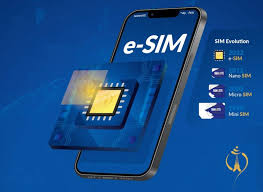

International travel has evolved dramatically over the past decade, and one of the most significant yet often overlooked innovations is how we stay connected abroad. Gone are the days when travelers had to hunt down local SIM cards at airport kiosks, struggle with language barriers, or face exorbitant roaming charges that could double their phone bills. The emergence of eSIM technology has fundamentally changed the landscape of mobile connectivity for globetrotters, digital nomads, and business travelers alike.
The shift toward embedded SIM technology represents more than just a convenience upgrade—it’s a complete reimagining of how we approach mobile connectivity across borders. Traditional physical SIM cards required travelers to either pay steep roaming fees to their home carriers or purchase local SIM cards in each country they visited. This process was time-consuming, often frustrating, and came with the risk of losing those tiny plastic chips. With eSIM technology, particularly for popular destinations like Europe eSIM travel options, the entire experience has been streamlined into a digital-first approach that puts control directly in travelers’ hands.
The Revolution of Digital Connectivity
At its core, eSIM technology eliminates the need for a physical SIM card by embedding the SIM functionality directly into your device’s hardware. This embedded chip can be programmed remotely with carrier information, allowing users to switch between different mobile networks without ever handling a physical card. For travelers, this means you can purchase and activate a data plan for your destination country before you even board your flight, ensuring you’re connected the moment you land.
The practical implications of this technology are profound. Consider a business traveler flying from New York to London for a three-day conference. In the old model, they would either pay $10-15 per day for international roaming or spend their first hour abroad finding a local SIM card vendor. With eSIM technology, they can purchase a UK data plan while still in New York, receive a QR code via email, scan it to install the eSIM profile, and have full connectivity the moment their plane touches down at Heathrow. This seamless experience extends to leisure travelers as well, who can now focus on enjoying their vacation rather than solving connectivity puzzles.
Multi-Country Travel Made Simple
One of the most compelling advantages of eSIM technology becomes apparent when traveling across multiple countries. European travelers, for instance, frequently cross borders between nations, and traditional roaming arrangements could become nightmarishly complex. Some carriers would charge differently for different countries, while others would require separate plans for each destination. The beauty of modern eSIM US and international offerings is that many providers now offer regional plans that cover dozens of countries under a single data package.
Imagine backpacking through Western Europe, visiting France, Germany, Italy, and Spain over two weeks. Rather than purchasing four separate SIM cards or managing multiple carrier relationships, a single eSIM plan can cover all these countries with consistent data rates and no border surprises. This regional coverage extends beyond Europe as well, with similar multi-country options available for Asia-Pacific, Latin America, and other regions. The technology inherently supports multiple eSIM profiles on a single device, meaning you could have a European plan, an Asian plan, and your home carrier plan all stored simultaneously, switching between them as needed with just a few taps.
Cost Transparency and Budget Control
Financial predictability is another significant benefit that eSIM technology brings to international travel. Traditional roaming arrangements were notorious for bill shock—travelers would return home to discover they’d racked up hundreds or even thousands of dollars in unexpected charges. These costs often stemmed from confusing rate structures, hidden fees, or automatic data connections to expensive roaming networks. eSIM plans, by contrast, are typically prepaid and clearly priced, eliminating any possibility of surprise charges.
Most eSIM providers offer straightforward pricing structures: you pay a fixed amount for a specific data allowance over a defined period. Want 5GB of data for seven days in Japan? The price is clearly stated upfront, and once you’ve used your allocation or reached the time limit, the service simply stops—no overage charges, no unexpected bills. This transparency allows travelers to budget accurately and choose plans that match their actual usage patterns. Light users who primarily need data for maps and messaging can opt for smaller, cheaper plans, while heavy users who stream video or work remotely can purchase larger packages with confidence in exactly what they’ll cost.
The Technical Advantages
Beyond convenience and cost savings, eSIM technology offers several technical advantages that enhance the travel experience. First, eSIMs typically provide faster activation than physical SIM cards. Traditional SIMs might take hours to fully activate on a new network, during which time travelers are left without connectivity. eSIMs, being digitally provisioned, often activate within minutes of installation, providing near-instant access to local networks.
Network selection is another area where eSIMs excel. Many eSIM providers partner with multiple network operators in each country, and the eSIM can automatically connect to the strongest available signal. This redundancy means better coverage and more reliable connections, particularly in rural or remote areas where a single carrier might have gaps in service. Some advanced eSIM plans even support automatic network switching, seamlessly moving your connection to whichever carrier provides the best signal at your current location.
Security considerations also favor eSIM technology. Physical SIM cards can be lost, stolen, or damaged, potentially leaving travelers stranded without connectivity or, worse, vulnerable to SIM swap attacks. eSIMs, being digital and protected by device security measures, are significantly more difficult to compromise. Additionally, because eSIM profiles are tied to your device rather than a removable card, there’s no risk of someone physically stealing your SIM to gain access to your number or data.
Practical Considerations for North American Travelers
For travelers heading to or from North America, eSIM options have become increasingly sophisticated. The United States and Canada present unique connectivity challenges due to their vast geographic size and varying population density. Major cities offer excellent coverage from multiple carriers, but rural areas can be patchier, making network choice important. Modern Canada travel eSIM solutions address these challenges by providing access to multiple carrier networks, ensuring more comprehensive coverage across the country.
Business travelers to the United States particularly benefit from eSIM flexibility. A European executive visiting multiple American cities over two weeks can maintain their home number on their physical SIM (or primary eSIM) while using a local data eSIM for internet connectivity. This dual-SIM functionality means they can receive calls on their regular business number while avoiding international roaming charges for data usage. The same principle applies to American travelers abroad, who can keep their US number active for important calls while using local eSIM data plans for everything else.
Choosing the Right eSIM Provider
The eSIM market has expanded rapidly, with dozens of providers now offering services for travelers. When selecting an eSIM provider, several factors warrant consideration. Coverage is paramount—ensure your chosen provider offers service in all countries you plan to visit with adequate network partnerships for reliable connectivity. Data allowances should match your anticipated usage; review your typical daily consumption on your home network to estimate what you’ll need abroad.
Pricing structures vary significantly between providers. Some offer better rates for longer periods, while others excel at short-term plans. Pay attention to the validity period of your data package—some plans give you 30 days to use a certain amount of data, while others provide unlimited data for a fixed number of days. Neither is inherently better; the right choice depends on your travel style and usage patterns.
Customer support quality shouldn’t be overlooked, especially when dealing with connectivity issues in a foreign country. Providers with 24/7 support via multiple channels (email, chat, phone) offer peace of mind when technical problems arise. Reading user reviews can provide insight into how providers handle support requests and resolve issues.
Installation and Setup Process
Installing an eSIM is straightforward on compatible devices, though the exact process varies slightly between manufacturers. Generally, you’ll purchase an eSIM plan from your chosen provider, who will send you a QR code via email or make it available in their app. On most smartphones, you navigate to your cellular settings, select the option to add a new cellular plan, and scan the provided QR code with your camera. The eSIM profile downloads and installs automatically, typically completing within a few minutes.
After installation, you can customize how your device handles the eSIM. You might designate it as your primary data connection while traveling, keep your home SIM active only for calls and texts, or set specific apps to use the eSIM while others use your primary SIM. This granular control allows you to optimize both connectivity and cost, ensuring you’re always using the most appropriate connection for each task.
Device Compatibility Landscape
eSIM technology has seen rapid adoption across the smartphone industry, though compatibility isn’t yet universal. Most flagship smartphones released since 2018 support eSIM functionality, including recent iPhone models (XS and later), Google Pixel devices (3 and later), and Samsung Galaxy flagship phones (S20 and later). Many modern tablets and smartwatches also support eSIM, extending the connectivity benefits beyond just smartphones.
Before purchasing an eSIM plan, verify that your specific device model supports the technology and that it’s carrier-unlocked. Some phones sold through carrier subsidized plans are locked to that carrier and won’t accept eSIM profiles from other providers until unlocked. Additionally, while a device might support eSIM technology, some carriers restrict its use—though this is becoming increasingly rare as the technology matures and gains acceptance.
The Future of Travel Connectivity
As eSIM technology continues to evolve, we’re seeing innovations that will further transform how travelers stay connected. Some providers are beginning to offer dynamic plans that automatically adjust pricing based on actual usage rather than pre-set packages. Others are exploring AI-powered network optimization that automatically selects the best available connection for your current activity, whether that’s video calling, web browsing, or navigating with GPS.
The integration of eSIM management into travel booking platforms represents another emerging trend. Imagine booking a flight to Tokyo and being offered a bundled eSIM data plan as part of your reservation, already configured to activate when you land. This kind of seamless integration will further reduce the friction of international connectivity, making it no more complicated than booking a hotel room.
Environmental considerations are also driving eSIM adoption. Physical SIM cards generate significant plastic waste globally—billions of cards are produced annually, each packaged in larger plastic carriers. By eliminating physical cards entirely, eSIM technology contributes to reducing this waste stream, aligning with growing consumer consciousness about environmental impact.
Common Concerns and Misconceptions
Despite its advantages, some travelers remain hesitant about eSIM technology due to misconceptions or concerns. One common worry is that eSIMs are complicated to set up. In reality, the process is generally simpler than installing a physical SIM card—there’s no need to locate a SIM ejector tool, figure out which way the card fits into the tray, or risk damaging the delicate card or tray. Scanning a QR code and following a few on-screen prompts is typically all that’s required.
Another concern relates to what happens if your phone is lost or stolen while traveling. With a physical SIM, you might remove it and place it in a backup phone. With eSIMs, the process is slightly different but still manageable—most providers allow you to transfer your eSIM to a new device by contacting support or using their app. Some advanced implementations even support remote deactivation and reinstallation on a replacement device.
Battery life questions also arise, with some users wondering if running multiple SIM profiles drains power faster. In practice, eSIMs are highly power-efficient, and the impact on battery life is negligible compared to other factors like screen brightness or app usage. Modern smartphones are designed to manage multiple cellular connections efficiently, whether those are physical SIMs, eSIMs, or a combination.
Maximizing Your eSIM Experience
To get the most value from eSIM technology while traveling, consider a few practical strategies. First, purchase your eSIM before leaving home, when you have reliable internet access and time to troubleshoot any issues. Installing and testing your eSIM while still in your home country ensures everything works properly before you’re depending on it abroad. Many travelers install their eSIM a day before departure but don’t activate it until they land at their destination.
Monitor your data usage, especially in the first day or two of your trip. Most smartphones provide detailed breakdowns of which apps consume the most data. You might discover that certain apps are using more data than expected, allowing you to adjust settings or restrict background data for those apps. This awareness helps you avoid running out of data mid-trip or overpaying for larger plans than you actually need.
Take advantage of the ability to store multiple eSIM profiles on your device. Even if you’re not traveling to a particular region immediately, you can install eSIM profiles in advance so they’re ready when needed. Most devices allow storage of several eSIM profiles simultaneously, though typically only one or two can be active at any given time. This preparation means you can switch between regions seamlessly during multi-continent trips without scrambling to purchase and install new profiles.
Real-World Travel Scenarios
The practical benefits of eSIM technology become most apparent through real-world examples. Consider a family vacation to Europe, where parents need reliable connectivity for navigation, restaurant research, and staying in touch with family back home, while teenagers want to share their experiences on social media and stream music. A traditional roaming plan from their US carrier might cost $10 per device per day, totaling $280 for a fourteen-day trip for a family of four. A regional eSIM plan covering the same period might cost $40-60 per device, reducing the total expense to $160-240 while providing more generous data allowances and better local network access.
Digital nomads represent another group that particularly benefits from eSIM flexibility. Someone working remotely while traveling through Southeast Asia might spend two months across Thailand, Vietnam, Cambodia, and Indonesia. Rather than purchasing separate SIM cards in each country and dealing with different carrier interfaces and languages, they could use eSIM plans tailored to each country or a regional plan covering all of them. This approach minimizes downtime between countries and ensures consistent connectivity for work requirements like video conferences and large file uploads.
Regulatory and Industry Developments
The regulatory environment around eSIM technology continues to evolve, generally in directions that favor consumer choice and competition. The European Union has been particularly progressive in promoting eSIM adoption as part of broader digital market initiatives. Regulations requiring device manufacturers to support eSIM functionality and prohibiting carriers from locking devices exclusively to physical SIMs are becoming more common, expanding consumer options.
Industry standards are also maturing, with the GSMA (Global System for Mobile Communications Association) providing specifications that ensure eSIM implementations work consistently across devices and carriers. This standardization is crucial for the technology’s continued growth, as it guarantees that an eSIM profile purchased from a provider in one country will work reliably on a compatible device regardless of where it was manufactured or originally purchased.
Carrier attitudes toward eSIM technology have shifted dramatically as well. Initial resistance from some traditional carriers, who viewed eSIMs as a threat to their established business models, has largely given way to acceptance and even enthusiasm. Many carriers now actively promote their own eSIM offerings, recognizing that the technology improves customer experience and reduces operational costs associated with physical SIM card distribution and management.
Frequently Asked Questions
Can I use eSIM if I need to keep my regular phone number active?
Yes, most modern smartphones support dual SIM functionality, allowing you to keep your primary number active on either a physical SIM or eSIM while using a travel eSIM for data. You can configure your phone to receive calls and texts on your home number while routing data through the travel eSIM, giving you the best of both worlds without roaming charges.
What happens if I use all my eSIM data before my trip ends?
Most eSIM providers allow you to purchase additional data top-ups through their app or website. These top-ups typically activate immediately, restoring your connectivity within minutes. Some providers also offer the option to purchase a completely new plan if that’s more cost-effective than topping up your existing one.
Do eSIMs work with all phone carriers and devices?
eSIMs work with most phones released since 2018, including recent iPhone, Samsung, and Google Pixel models, but you should verify your specific device’s compatibility. Your phone must also be carrier-unlocked to use eSIMs from third-party providers. Carrier compatibility is universal—eSIMs connect to the same cellular networks as physical SIM cards.
Is eSIM data speed different from regular SIM card speeds?
No, eSIM data speeds are identical to physical SIM card speeds on the same network. The type of SIM doesn’t affect network performance—what matters is which carrier network you’re connected to and the signal strength at your location. Many eSIM plans provide 4G LTE or even 5G speeds where available.
Can I share my eSIM data with other devices?
While you cannot transfer an eSIM profile to multiple devices simultaneously, most smartphones allow you to set up a personal hotspot that shares your eSIM data connection with other devices like laptops or tablets. This feature works identically whether you’re using a physical SIM or eSIM for your data connection.
What should I do if my eSIM isn’t working when I arrive at my destination?
First, ensure your eSIM is set as your active data line in your phone’s settings and that data roaming is enabled for the eSIM. Restart your phone to force it to reconnect to the local network. If problems persist, contact your eSIM provider’s support team—reputable providers offer 24/7 assistance to help troubleshoot connectivity issues. Most problems can be resolved remotely through settings adjustments or carrier network resets.
The transformation of travel connectivity through eSIM technology represents one of those rare innovations that genuinely improves the experience for everyone involved. Travelers gain convenience, cost savings, and flexibility, while carriers reduce operational complexity and environmental impact. As the technology continues to mature and expand to more devices and destinations, staying connected abroad will become increasingly seamless, allowing travelers to focus on what truly matters—experiencing new places, cultures, and adventures without the distraction of connectivity challenges.