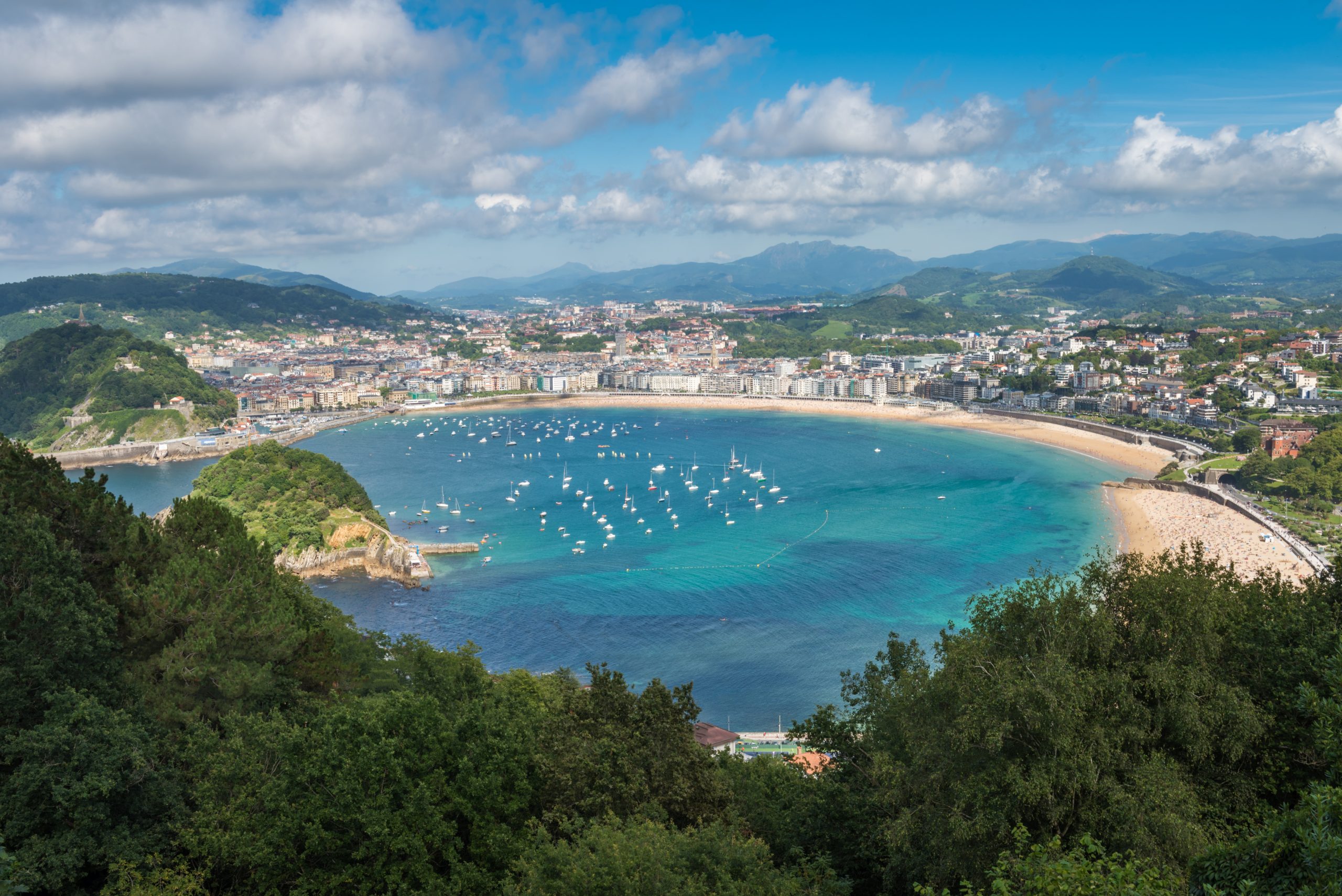

The Basqueseparatist movement is one of the most significant and complex political struggles in Europe, with roots that stretch deep into history, culture, and identity. Spanning across the Spanish and French borders, the Basque Country has been a hotbed of political tension, as a portion of its population seeks to establish an independent Basque state. While the movement has seen both peaceful efforts and violent conflict, its underlying causes and aspirations remain central to understanding the region’s political landscape.
Understanding the Basque Country: A Region of Distinct Identity
The Basque Country is a unique region that straddles the border between Spain and France. It includes three provinces in Spain—Álava, Gipuzkoa, and Bizkaia—and the Northern Basque Country in France. The region is known for its distinct language, Euskara, and its rich cultural heritage, which sets it apart from both Spain and France.
The Basque people have long prided themselves on their identity, culture, and autonomy. Historically, the Basque Country enjoyed a high degree of self-government under the Spanish crown, with the Basque provinces maintaining their own laws and economic autonomy. However, over the centuries, central governments in Spain and France sought to curtail Basque independence, leading to tensions that would later fuel the separatist movement.
The Roots of BasqueSeparatism: A Historical Perspective
The origins of Basqueseparatism can be traced back to the early 19th century, when Spain began to centralize power and diminish regional autonomy. In the Basque Country, this centralization was perceived as an existential threat to their way of life. The Carlist Wars (1833–1876), which pitted supporters of the Basque regional autonomy against the Spanish monarchy, are often seen as the first major instance of Basque resistance to centralization.
The loss of Basque privileges during the Spanish Civil War (1936–1939) further deepened the divide. With the victory of General Francisco Franco and his fascist regime, Basque culture and language were suppressed, and the Basque region was placed under strict military control. The repression of Basque identity during this period laid the groundwork for the rise of a more radical separatist movement.
The Emergence of ETA: Violence and Resistance
In 1959, the separatist group ETA (Euskadi Ta Askatasuna, meaning “Basque Country and Freedom”) was founded with the goal of achieving an independent Basque state through armed struggle. ETA quickly became the most prominent and controversial force within the Basque separatist movement, resorting to violence and terrorism in its quest for independence.
Over the following decades, ETA carried out numerous attacks, including bombings, assassinations, and kidnappings. The group claimed responsibility for the deaths of over 800 people, including political leaders, police officers, and civilians. ETA’s violent tactics were widely condemned both within Spain and internationally, yet they maintained a strong following among a portion of the Basque population who believed that independence could only be achieved through force.
However, ETA’s violence also alienated many Basques, and over time, the group began to lose its popular support. The Spanish government, in response, implemented harsh counterterrorism measures, and many members of ETA were captured or killed. In 2011, ETA announced a permanent ceasefire, and in 2018, the group officially disbanded. Despite this, the issue of Basque separatism remains unresolved.
Political Movements for Basque Independence
While ETA’s violent campaign for independence is the most well-known aspect of the Basque separatist movement, it is by no means the only one. Throughout the 20th century and into the 21st, there have been several political movements and parties that have advocated for Basque independence through peaceful means.
One of the most prominent political forces in this regard is the Basque Nationalist Party (PNV), which was founded in 1895 and has played a central role in the politics of the Basque Country. The PNV advocates for greater autonomy for the Basque Country within Spain, but its ultimate goal is the creation of a Basque state. The PNV has long been a proponent of peaceful, democratic processes to achieve this goal and has been involved in negotiations with the Spanish government over the issue of autonomy and self-determination.
In addition to the PNV, there are other left-wing parties, such as Bildu, which also advocate for Basque independence but with a more radical approach. These parties often work within the framework of the Spanish constitution, seeking greater recognition of Basque identity and the right to self-determination. They have found success in local elections and have been able to push for more autonomy for the Basque Country, although they have yet to achieve their ultimate goal of full independence.
The Basque Country Today: Autonomy and Controversy
Today, the Basque Country enjoys a significant degree of autonomy within Spain. The Statute of Autonomy of the Basque Country, enacted in 1979, established the Basque Government and granted the region control over various areas such as education, health care, and policing. The Basque Parliament has the power to pass laws, and the Basque language, Euskara, is co-official with Spanish in the region.
Despite this autonomy, there are still many Basques who feel that the region should become fully independent. The economic success of the Basque Country, particularly in industry and trade, has fueled arguments that the region is fully capable of supporting itself as an independent state. The political divisions within the Basque Country are evident in elections, with some parties advocating for greater autonomy and others pushing for outright independence.
The issue of Basque independence has also become a point of contention between Spain and France. While Spain has allowed the Basque Country to enjoy a large degree of self-rule, France has been less accommodating to Basque separatism. The Basque Country in France, located in the Pyrénées-Atlantiques department, does not have the same level of autonomy, and the French government has been much more resistant to calls for Basque independence.
The European Union and International Recognition
One of the key obstacles to Basque independence is the question of international recognition. While the Basque Country has enjoyed a great deal of autonomy within Spain, the international community, particularly the European Union (EU), has not supported the idea of Basque independence. Spain, as a member of the EU, is strongly opposed to any attempts to break up the country, and the EU has consistently stated that it does not support secessionist movements within its member states.
The EU’s stance on Basque independence has complicated efforts to achieve recognition for an independent Basque state. The Basque separatists would need not only to gain support from their own population but also to secure recognition from the international community. This presents a major challenge, as other countries, including the United Kingdom, have experienced their own separatist movements, such as the case of Scotland, and have faced similar hurdles in achieving independence.
The Future of Basque Separatism
The future of Basque separatism remains uncertain. While ETA’s violent campaign has ended, the desire for independence is still alive among a portion of the Basque population. Political parties continue to push for greater autonomy and, in some cases, full independence. The question of whether the Basque Country will ever achieve independence remains a complex and divisive issue, with no clear resolution in sight.
The ongoing debate surrounding Basque separatism highlights broader questions of self-determination, nationalism, and the role of regional identity in modern politics. As the Basque people continue to navigate their relationship with Spain, the world will be watching closely to see how this long-running struggle evolves in the coming years.
Conclusion: A Divided Future?
Basqueseparatism is a multifaceted issue with deep historical, cultural, and political roots. While the violence of ETA may have faded, the desire for an independent Basque state remains a central issue in the region’s politics. Whether through peaceful political movements or more radical calls for independence, the Basque Country continues to seek greater recognition and autonomy. The road ahead may be long and uncertain, but the Basque people’s struggle for self-determination will undoubtedly remain a key issue in European politics for years to come.